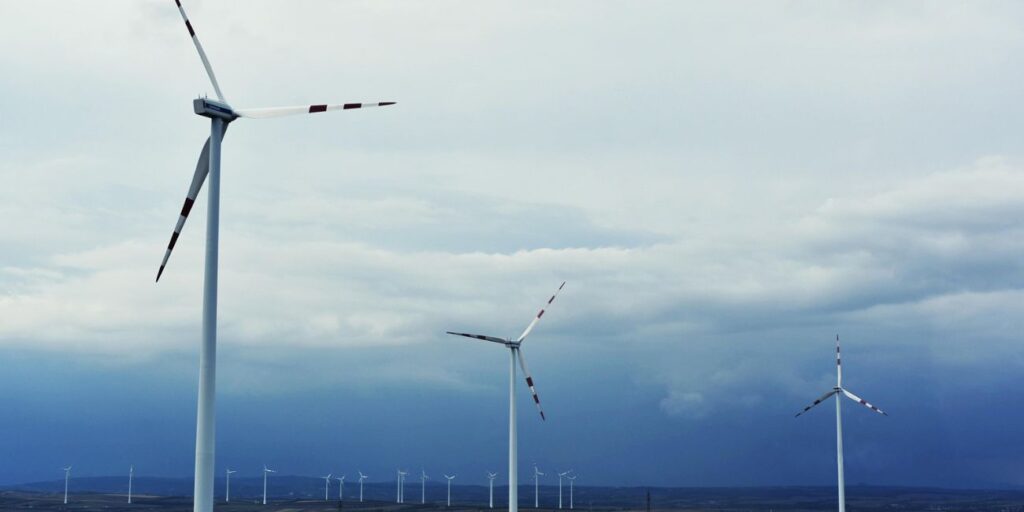



The 7th Trebinje Energy Summit brought together leading companies, experts, and institutions from across the region, with significant participation from members of the Association RES Serbia. Over three days, discussions focused on key topics of energy transition, markets, new technologies, and European regulations, with a common thread running through all sessions: the application of artificial intelligence as a driver of the sector’s future development.
Artificial Intelligence as a Pillar of Future Growth
The plenary session opened the Summit with a focus on AI in energy: from predictive analytics and system balancing to digitalization and grid optimization. The conclusion was clear: AI is already delivering results today, but its full potential will unfold through deeper integration and innovation.
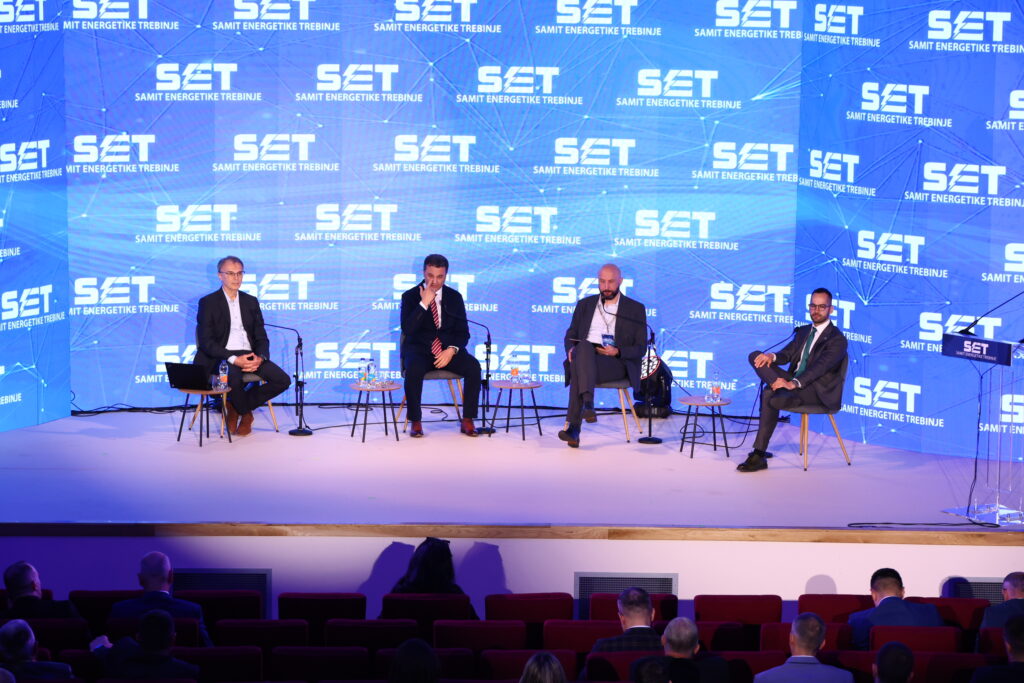
Energy Transition and Market
The first panel gathered leaders of regional power companies, who exchanged views on the challenges of transition toward 2030 and 2050. Emphasis was placed on sustainability, supply security, and accelerating the process.
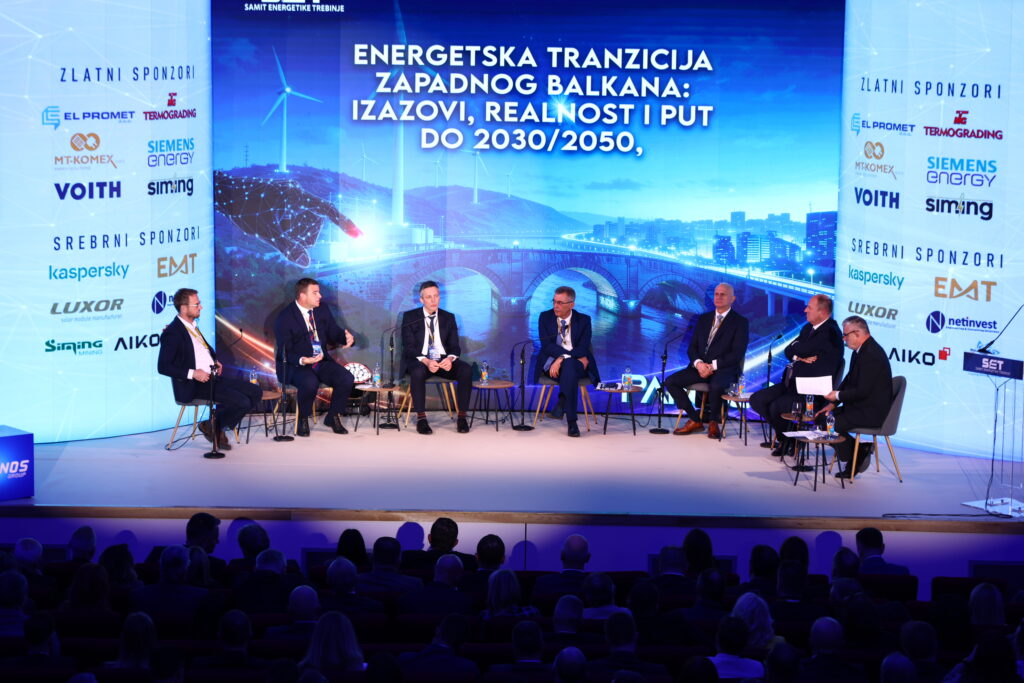
The second panel addressed the modern electricity market: exchanges, market coupling, energy storage, PPA contracts, and the CBAM mechanism. It was highlighted that the market is evolving rapidly, and flexibility and cooperation will be key to a successful transition
New Sources and European Regulations
The third panel focused on geothermal energy, its potential, and economic viability. Participants emphasized that geothermal energy could become a significant part of the region’s sustainable energy mix.
The fourth panel examined the impact of the EU CBAM mechanism on the sector in Bosnia and Herzegovina and the wider region. Discussions covered both the challenges posed by the new regulation and the opportunities for transformation through innovation and strategic alignment with European standards.
Investments, Grid, and Nuclear Energy
The fifth panel disscusion addressed record investment demands in renewables across the region and the challenges of connecting new facilities to the grid.
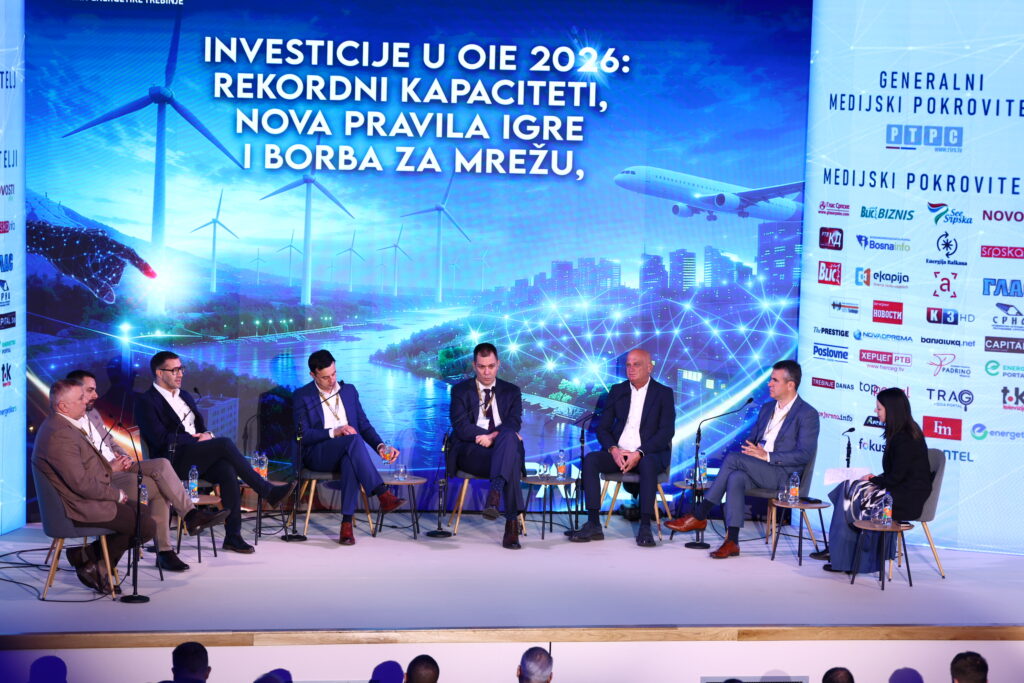
The final two panels explored the modernization and automation of the power grid, as well as whether nuclear energy could become the cornerstone of energy security and stability.
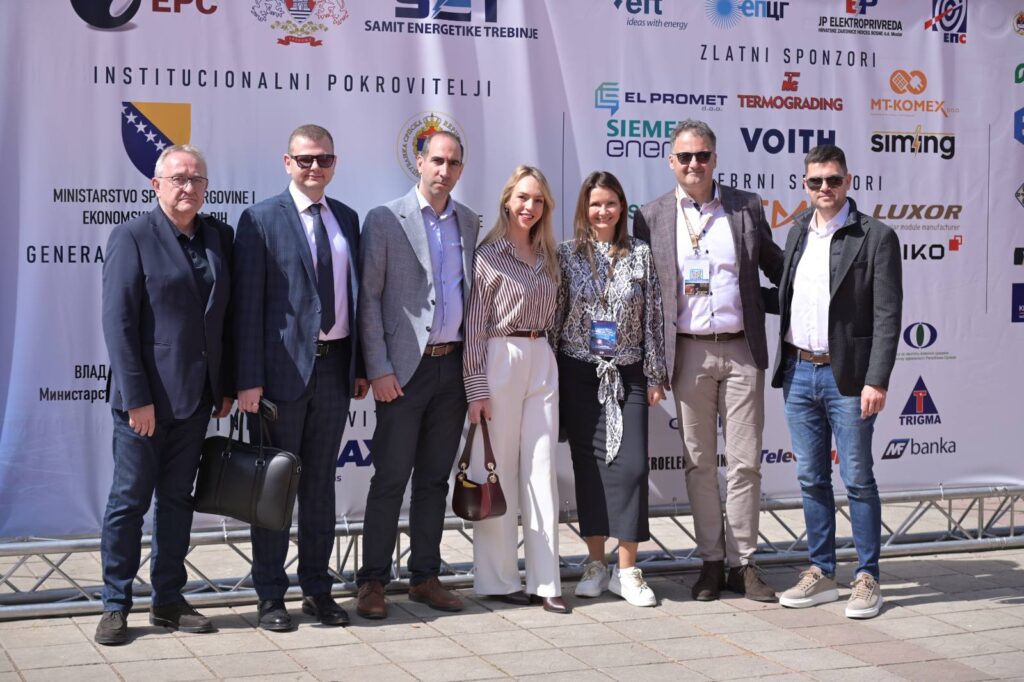
The Trebinje Energy Summit 2026 demonstrated that regional cooperation, combined with the adoption of new technologies, is essential for accelerating the transition and building a sustainable energy future. The key takeaway is that the region faces a period of intense change, where innovation, flexibility, and strategic alignment with European standards will pave the way toward a secure and sustainable energy system.
Photos: Samit Energetike Trebinje 2026