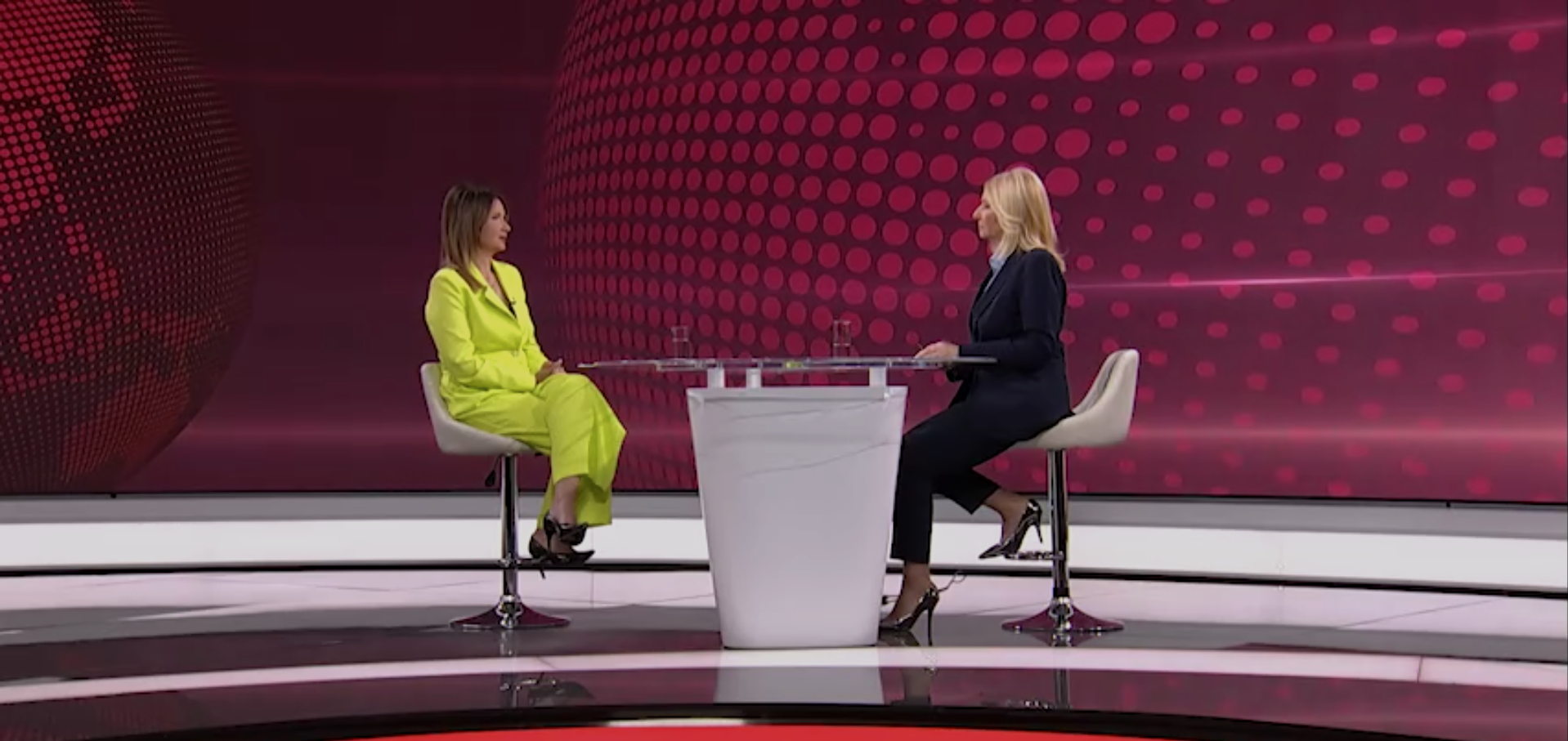



Danijela Isailović, Manager of the Association Renewable Energy Sources of Serbia (RES Serbia), speaking on RTS, emphasized that the sun and wind are resources no one can take away, making them a key pillar of energy stability. In light of global market shocks and record oil prices, Isailović stressed that decarbonization and the shift to green energy have become not only environmental issues but also matters of national security.
The global energy map is changing rapidly. While oil and gas remain vulnerable to geopolitical crises, as reflected in the current barrel price of over 106 USD, renewables are becoming the primary choice of the modern world. Isailović pointed out that data from the International Energy Agency clearly show a permanent decline in fossil fuel use, with as much as 75 percent of new power plants built worldwide last year in the renewable energy sector.
“Solar power is dominant, and China leads this trend with nearly 500 gigawatts of new capacity. Beyond generation, we are also witnessing a massive rise in electromobility, with electric cars making up half of the Chinese market,” noted the RES Serbia’s Manager, adding that these trends are a clear signal of the direction the world is heading.
The Situation in Serbia: Potential and Implementation
Regarding Serbia’s position, Isailović stated that the share of renewables in domestic electricity generation is around 35%, close to the global average (34%) but below the European Union average of 47.3 percent.
Speaking about projects in the country, she highlighted that auctions have delivered concrete results:
- The “Pupin” wind park has received its operating permit;
- The “Čibuk 2” wind park is in the testing phase;
- The “Crni Vrh” wind park is nearing completion.
However, Isailović warned that many projects are still awaiting implementation despite strong investor interest, reflected in grid connection requests totaling over 12 gigawatts.
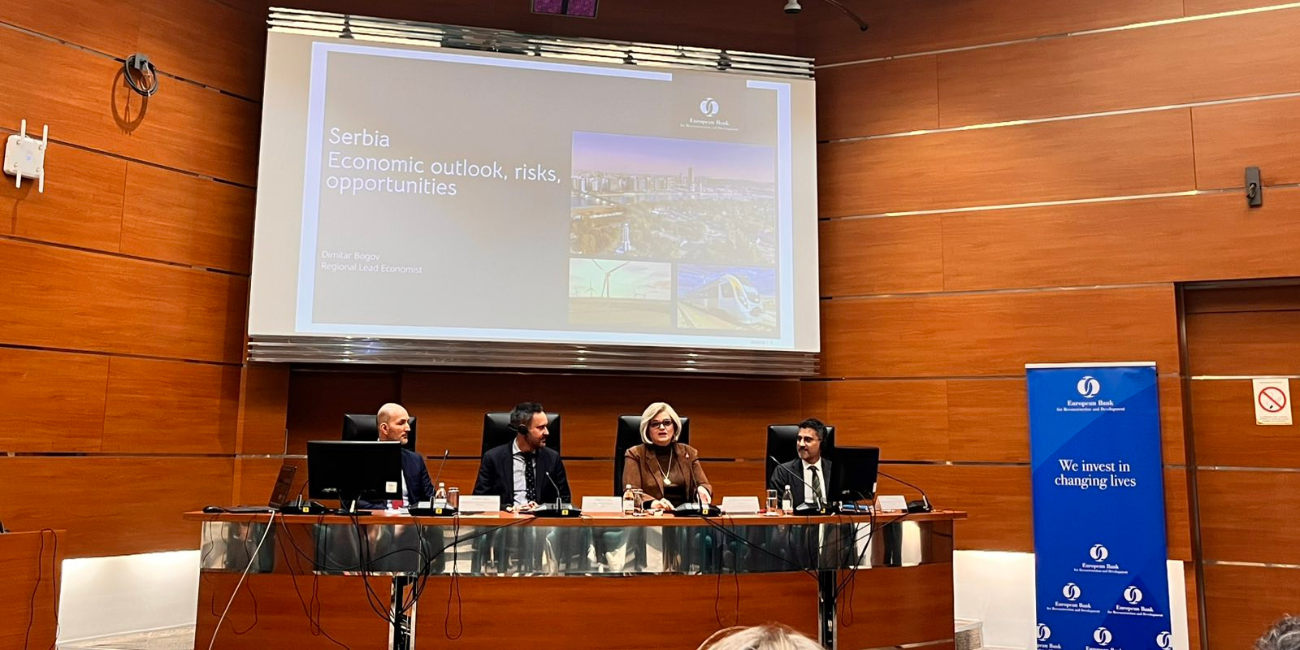
She identified financing processes and administrative barriers as key obstacles to faster development. “The real test for investors comes with projects exceeding 100 million EUR. To accelerate the transition, we need more efficient permitting, greater investment in transmission infrastructure, and reduced bureaucracy,” Isailović said, sharing conclusions from a recently held international conference in Madrid.
Every new wind turbine and solar park in Serbia is not only a technological advance but also an additional shield of national energy independence, ensuring stable economic growth.