


At the National Bank of Serbia, the Annual Transition Report 2025–26 of the European Bank for Reconstruction and Development (EBRD) was presented. The event was marked by messages stressing the need for rapid adaptation to global economic changes, with a particular focus on demographics and the energy transition.
Tabaković: Delaying change increases costs
Governor of the National Bank of Serbia, Jorgovanka Tabaković, opened the gathering by emphasizing that structural challenges are a reality that markets must face without delay. According to her, any postponement of inevitable adjustments only further raises the ultimate costs to the economy.
Matteo Colangeli, EBRD Director for the Western Balkans and Honorary Member of the Association RES Serbia, highlighted the exceptional importance of past cooperation.
“EBRD has reached a major milestone with 10 billion EUR invested in Serbia, of which as much as a quarter has been realized in just the past few years,” Colangeli noted.
He particularly emphasized that Serbia will become the EBRD’s hub for Southeastern Europe, a strong recognition of the country’s achievements, especially over the last five years.
Economic outlook and challenges
Economic projections were presented by Dimitrov Bogov, who stated that after GDP growth slows to 2.0% in 2025, recovery is expected in 2026 with growth of 3.0%. Although domestic demand and exports remain stable at the start of this year, industrial production continues to show weakness.
Key risks identified include new energy shocks and high uncertainty within the EU. The solutions lie in:
- Strict macroeconomic discipline
- Monetary policy focused on curbing inflation
- Building energy resilience and accelerating structural reforms
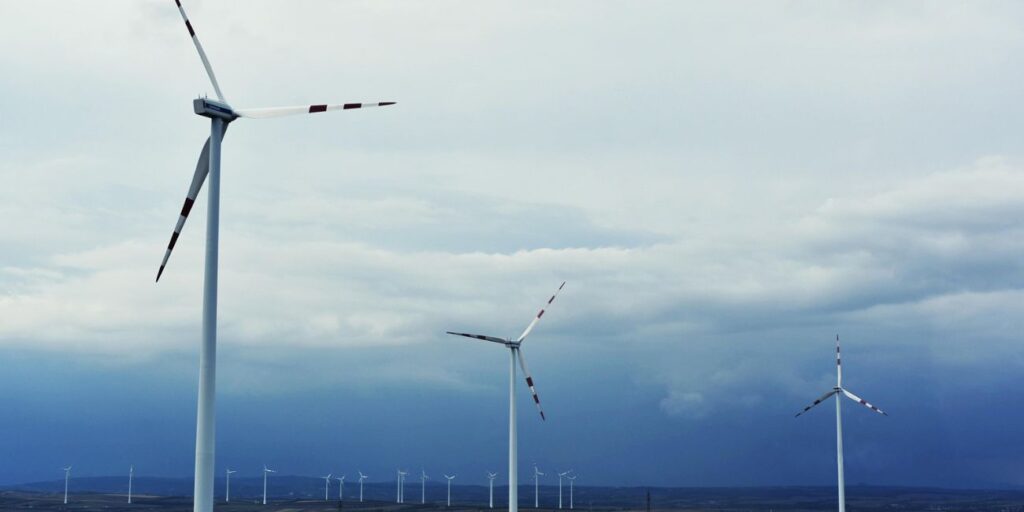
EBRD Chief Economist Ralph De Haas presented details of the Transition Report, which this year is divided into four key chapters: demographic trends, fertility, the search for talent, and structural reforms. Special emphasis was placed on accelerated investment in renewable energy sources, a trend that has been gaining strong momentum in Serbia since 2022.
The presentation at the National Bank of Serbia was also attended by numerous members of the Association RES Serbia.